Key Specifications for Sourcing Cosmetic Cases

All Categories

Cosmetic case

In the world of beauty and personal care, cosmetic cases play a vital role in organization and presentation. These specialized bags are designed to store and protect makeup and toiletry items, making them essential for both individual consumers and businesses in the beauty industry. For B2B buyers—such as purchasing managers, distributors, and product managers, understanding the key specifications, sourcing options, and potential issues associated with cosmetic cases is crucial for making informed purchasing decisions. This article will provide valuable insights into the considerations that should guide your selection process for cosmetic bags & cases. 
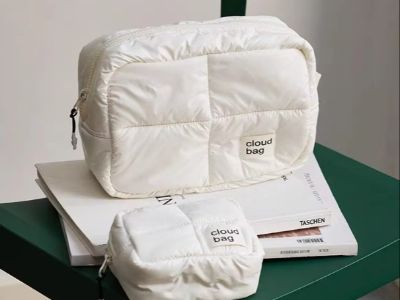
Why choose KINGSTAR Cosmetic case

Our Products

Key Specifications to Consider When Sourcing Cosmetic Cases

When sourcing cosmetic cases, several key specifications must be taken into account to ensure the product meets your needs and those of your customers.

Material: The choice of material affects durability, appearance, and functionality. Common materials include polyester, nylon, and PVC, each offering different levels of water resistance, weight, and aesthetics. For instance, PVC provides a glossy finish and is easy to clean, making it suitable for high-end cosmetic cases. 

Dimensions: Size specifications are critical. Consider the intended use whether for travel, retail display, or personal use. A compact design may be ideal for travel, while larger cases with multiple compartments might be necessary for retail environments where consumers want to see a variety of products.

Closure Types: Zippers, magnetic snaps, and clasps are common closure types. Each has its own advantages in terms of security and ease of access. Buyers should consider which type will best suit their target market's preferences. 

Customization Options: Customization can include branding, color choices, and specific compartment designs. This flexibility allows businesses to differentiate their products in a competitive market. 

Quality Control Standards: Ensure that the manufacturer adheres to quality control practices such as ISO/BSCI certifications. This guarantees that the custom logo cosmetic bags cases are made according to international standards, which is vital for maintaining brand reputation. 

By focusing on these specifications, buyers can ensure that the KINGSTAR cosmetic cases they select will meet both their operational needs and consumer expectations. 

Frequently Asked Questions

Our Blog Posts

How Customised Makeup Bags Enhance Brand Loyalty

20

Dec

How Customised Makeup Bags Enhance Brand Loyalty

Lots of people are big fans of makeup, but they usually need a great bag to store it most effectively. For companies like KINGSTAR, custom makeup and skincare bag can significantly impact the overall business. If a label comes with customized bags, i...
View More

What Makes Reusable Nylon Shopping Bags a Good Investment

04

Jan

What Makes Reusable Nylon Shopping Bags a Good Investment

And now, the reusable nylon shopping bag is gaining popularity today. Not only are they good for the environment, they are also cost-effective over time. Think about it! You can lower waste and promote the health of our planet with these bags. At KIN...
View More
How to Use Custom Reusable Bags to Create Eco-Friendly Marketing Campaigns

10

Jan

How to Use Custom Reusable Bags to Create Eco-Friendly Marketing Campaigns

Customized eco friendly bags are taking businesses by storm and becoming the most popular option for advertisers out to market their brand, make a good impression on buyers and do right by Mother Nature. They still use these bags as a way to show the...
View More
Luxury Custom Canvas Bags for Fashion Forward Brands

15

Feb

Luxury Custom Canvas Bags for Fashion Forward Brands

Luxury Custom Canvas Bags are gaining popularity, especially for those brands aiming to be a cut above distinctive. These bags are more than mere tote-ables, but a means for companies to flaunt their style and imagination. That's why when a brand uti...
View More

What Our Partners Say

Get a Free Quote

Our representative will contact you soon.
Email
Mobile
Quantity
Name
Company Name
Message
0/1000

Related product categories

Where to Find Reliable Suppliers for Cosmetic Cases

Where to Find Reliable Suppliers for Cosmetic Cases

Finding reliable suppliers for cosmetic cases is paramount for ensuring product quality and consistency. Here are some avenues to consider:

Industry Trade Shows: Attending trade shows specific to the beauty and cosmetics industry allows buyers to meet manufacturers face-to-face, inspect products, and discuss customization options directly. Events such as Cosmoprof or Beautyworld offer excellent networking opportunities.

Online B2B Marketplaces: Platforms like Alibaba, Global Sources, and Made-in-China allow you to browse a wide range of manufacturers. Look for suppliers with verified credentials and positive reviews, and check if they can provide samples prior to bulk orders.

Manufacturer Directories: Resources such as ThomasNet and Kompass list manufacturers by category, providing contact details and company information. This can help streamline your search for reputable suppliers.

Referrals and Recommendations: Networking within the industry can yield valuable insights. Seek recommendations from other businesses in the beauty sector to find trusted suppliers.

Social Media and Online Research: Many manufacturers showcase their products on platforms like Instagram or LinkedIn. This can be a great way to assess their design aesthetic and customer engagement.

By utilizing these resources, buyers can identify and establish relationships with suppliers who can meet their specific needs for cosmetic cases.

Understanding the Cost Factors in Wholesale Cosmetic Case Purchases

Understanding the Cost Factors in Wholesale Cosmetic Case Purchases

Understanding the cost factors involved in wholesale purchases of cosmetic cases is essential for budgeting and pricing strategies. Key considerations include:

Material Costs: The type and quality of materials directly impact the overall cost. For instance, premium materials like leather or high-grade fabrics will increase costs compared to basic polyester.

Customization Fees: Personalization options, including branding and custom designs, often incur additional charges. Be sure to clarify these costs upfront when negotiating with suppliers.

Minimum Order Quantities (MOQ): Suppliers may set a MOQ that could affect your initial investment. Understanding these thresholds can help you manage inventory and cash flow.

Shipping and Handling: Shipping costs can vary significantly based on the supplier's location and the selected shipping method. It’s wise to request shipping estimates during the negotiation process to avoid unexpected expenses.

Quality Assurance Costs: Investing in quality assurance can save costs in the long run. Establishing inspection protocols before shipment can help identify defects early, reducing returns and warranty claims.

By factoring in these elements, buyers can better navigate pricing discussions and make financially sound purchasing decisions.

Common Problems with Cosmetic Cases and Effective Solutions

Common Problems with Cosmetic Cases and Effective Solutions

While cosmetic cases are essential for organization and protection, they can present several challenges. Here are common problems and practical solutions:

Durability Issues: Some cosmetic cases may not withstand regular use, leading to wear and tear. To mitigate this, buyers should select vanity case bag made from high-quality materials and request samples for durability testing before bulk orders.

Compartment Design Flaws: Buyers often find that poorly designed compartments do not hold products securely. When sourcing, request prototypes to test the functionality of compartment designs with actual products.

Poor Zipper Quality: Zippers can malfunction over time, leading to frustration for users. Opt for suppliers known for using high-quality zippers and consider specifying zipper types that have proven reliability.

Aesthetic Appeal: Cosmetic cases must appeal to consumers visually. Work closely with suppliers to ensure that design elements align with current fashion trends and consumer preferences.

Logistical Problems: Shipping delays or packaging issues can disrupt supply chains. Establish clear communication channels with suppliers to address potential logistics challenges proactively.

By understanding these common issues, buyers can take proactive measures to ensure the cosmetic cases they purchase meet their quality standards and customer expectations.

Installation Guidance for Cosmetic Cases in Retail Environments

Installation Guidance for Cosmetic Cases in Retail Environments

Proper installation and display of cosmetic cases in retail settings can enhance product visibility and sales. Consider the following guidance:

Placement: Position cosmetic cases at eye level to attract customer attention. High-traffic areas near checkout lines can also increase visibility.

Lighting: Utilize adequate lighting to highlight the cosmetic cases and their contents. Well-lit displays create an inviting atmosphere that encourages customers to explore the products.

Merchandising Techniques: Pair cosmetic cases with complementary products, such as makeup brushes or skincare items, to create attractive displays. This encourages cross-selling and enhances the overall shopping experience.

Clear Signage: Use clear signage to indicate pricing and promotional offers. This helps customers make quick purchasing decisions and enhances overall store navigation.

Regular Maintenance: Ensure that the display remains tidy and restocked. Regularly inspect the cosmetic cases for any damages or wear that may detract from their appeal.

By following these guidelines, retailers can effectively install and display cosmetic cases, maximizing their impact on sales and customer experience.

In summary, sourcing cosmetic cases requires careful consideration of specifications, supplier reliability, cost factors, potential problems, and installation techniques. By understanding these elements, B2B buyers can make informed decisions that align with their business goals and customer needs.